

Month: December 2021
Dubai Regulatory Committee for Petroleum Products Trading conducts comprehensive inspection campaigns on LPG cylinder distribution vehicles
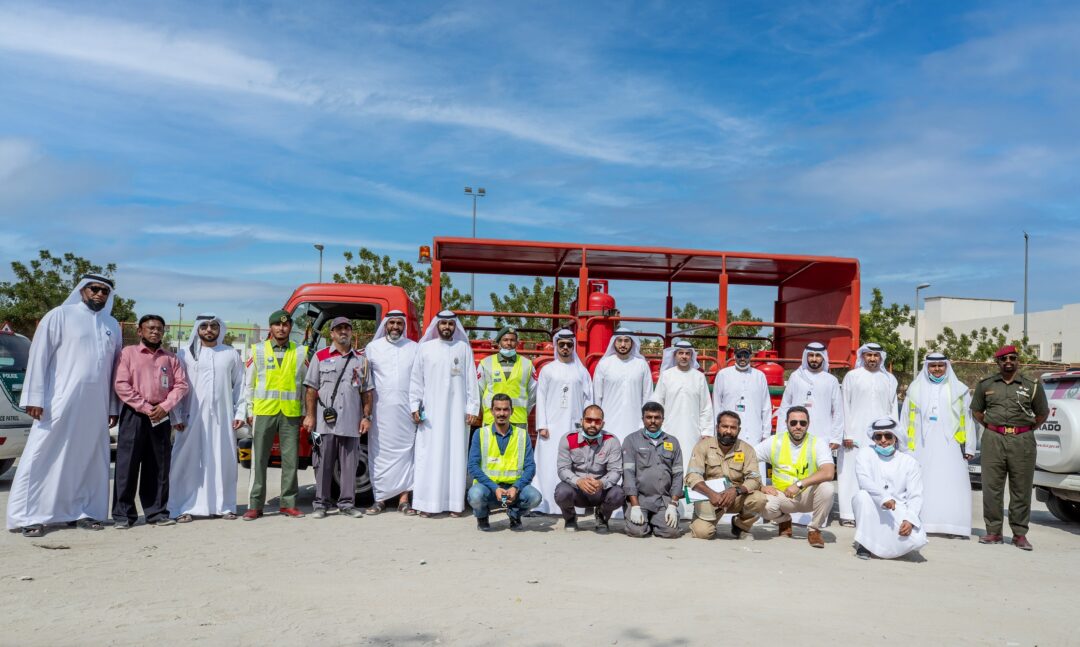
Dubai, UAE, 20 December 2021: In line with its commitment to the safety of customers using liquefied petroleum gas (LPG) in Dubai, the Dubai Regulatory Committee for Petroleum Products Trading, under the Dubai Supreme Council of Energy, conducted joint inspection campaigns on LPG cylinder distribution vehicles in different areas of Dubai. This was to regulate the circulation and distribution of LPG cylinders, while ensuring the highest safety and security standards.
After the inspections, several companies were suspended for violating the Dubai Supreme Council of Energy Directive number 3 of 2021 on the regulation of LPG trading in Dubai. A number of vehicles were seized for circulating LPG cylinders without a valid permit from the Dubai Supreme Council of Energy, possession of LPG cylinders that do not conform to the UAE-approved specifications, and possession of forged seals of approved filling plants in Dubai.
“The main objective of issuing Directive number 3 of 2021 is to outline the regulatory framework, strategies and regulations for trading in LPG and its derivatives in Dubai, in accordance with the highest international standards in this area. We also regulate business practices and implement the highest international safety and security standards. We aim to ensure transportation, storage and distribution of LPG according to the approved criteria in the UAE,” said HE Saeed Mohammed Al Tayer, Vice Chairman of the Dubai Supreme Council of Energy.
Al Tayer highlighted the importance of the inspection campaigns in collaboration with the competent authorities to protect customers and individuals from violations in this vital and essential sector.
“We thank all authorities involved in the inspection campaigns, including Dubai Police, Dubai Municipality, the Roads and Transport Authority, the Department of Economy and Tourism, Dubai Civil Defence, Ministry of Industry and Advanced Technology, Ministry of Human Resources and Emiratisation, Emirates Gas, Emarat, and ADNOC,” said HE Ahmed Buti Al Muhairbi, Secretary General of the Dubai Supreme Council of Energy.
To ensure that LPG cylinders comply with the rules and regulations, consumers are encouraged to request a receipt when buying LPG cylinders and check the seal on top of the LPG cylinder valve to ensure that the cylinder is safely filled with the correct LPG product by a Dubai-licensed filling plant.
Dubai reduces 33% of carbon emissions in 2020, exceeds targets of the Carbon Abatement Strategy
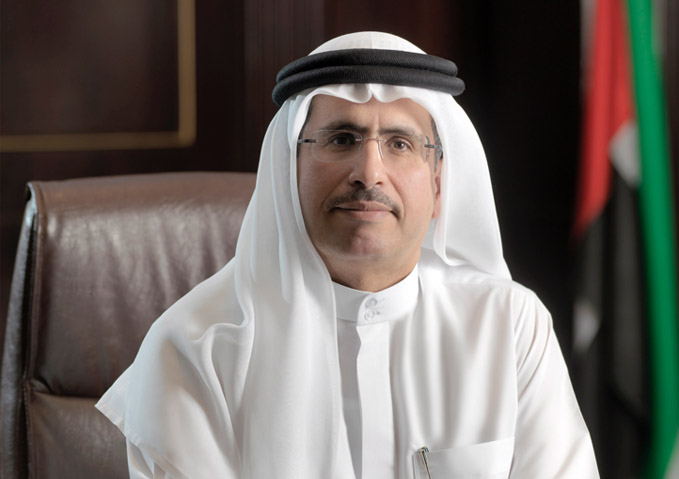
Dubai, UAE, 12 December 2021: HE Saeed Mohammed Al Tayer, Vice Chairman of the Dubai Supreme Council of Energy, announced that Dubai reduced its carbon emissions by 33% in 2020, exceeding the target of the Dubai Carbon Abatement Strategy 2021 by more than double. The strategy aims to reduce carbon emissions by 16% by 2021. This new achievement emphasises that Dubai is moving steadily towards becoming a carbon-neutral economy by 2050.
Al Tayer commended all the organisations that contributed to this achievement. “All organisations under the umbrella of the Dubai Supreme Council of Energy work together to achieve the vision and directives of His Highness Sheikh Mohammed bin Rashid Al Maktoum, Vice President and Prime Minister of the UAE and Ruler of Dubai, to make Dubai a global hub for green economy and sustainable development and achieve the Dubai Clean Energy Strategy 2050 and the Dubai Net Zero Emissions Strategy 2050 to provide 100% of energy from clean energy sources by 2050, as well as the Dubai Demand Side Management Strategy, which aims to reduce electricity and water demand by 30% by 2030. The achievement of reducing carbon emissions by 33% in 2020 emphasises that we are on the right track to achieve the strategic objectives to become a carbon-neutral economy by 2050 to ensure a brighter and more sustainable future for generations to come,” said Al Tayer.
Al Tayer explained that the pioneering programmes and initiatives implemented by the organisations under the umbrella of the Dubai Supreme Council of Energy have contributed to this significant reduction in carbon emission. Factors for this achievement include increasing the share of clean and renewable energy capacity, which is now 11.38% of Dubai’s energy mix, the expansion of district cooling which saved 650 gigawatt-hours of electricity in 2020, incentives that have increased the use of electric vehicles, and other pioneering initiatives to reduce carbon emissions in Dubai.
HE Ahmed Buti Al Muhairbi, Secretary-General of the Dubai Supreme Council of Energy, said that this achievement underlines the importance of the joint efforts of individuals and organisations to support national and global efforts to mitigate climate change and global warming. He noted that Dubai has a plan for the next 30 years that covers the energy and water sectors, transportation, industry, buildings, and waste. The plan also includes all the necessary enablers, regulations and R&D.
Dubai Supreme Council of Energy discusses Dubai’s plan to achieve carbon neutrality by 2050 at its 67th meeting

Dubai, UAE, 8 December 2021: HH Sheikh Ahmed bin Saeed Al Maktoum, Chairman of the Dubai Supreme Council of Energy, chaired the Council’s 67th meeting, which was held online. HE Saeed Mohammed Al Tayer, Vice Chairman of the Dubai Supreme Council of Energy, attended the meeting.
HE Ahmed Buti Al Muhairbi, Secretary-General of the Dubai Supreme Council of Energy, attended the meeting along with board members HE Dawood Al Hajiri, Director General of Dubai Municipality; HE Abdulla bin Kalban, Managing Director of Emirates Global Aluminium (EGA); HE Saif Humaid Al Falasi, CEO of Emirates National Oil Company (ENOC); Juan-Pablo Freile, General Manager of Dubai Petroleum; and Nasser Abu Shehab, CEO of the Strategy & Corporate Governance Sector at the Roads & Transport Authority (RTA).
The meeting discussed several topics, including the planning stage for the Supreme Council’s Resolution regarding Dubai achieving carbon neutrality (zero-carbon emissions) by 2050. The meeting also discussed the implementation stage for Resolution number (6) of 2021 issued by the Executive Council of Dubai to regulate district cooling services in Dubai. The Resolution aims to develop a legislative framework for cooling services in Dubai to increase their efficiency and the activities related to generating, distributing, and selling cooling capacity, as well as issuing permits and complaints management.
RTA presented its plan to achieve zero carbon emissions in its fleet by 2050. The strategy was developed in line with the vision of the wise leadership to make Dubai a leading city in sustainable development. The strategy includes goals and implementation mechanisms. These include increasing the number of electric and hybrid vehicles, efficiency of facilities, road lighting, waste reduction, as well as retrofitting RTA’s buildings.
Dubai Regulatory Committee for Petroleum Products Trading discussed the regulatory framework for building fixed and mobile fuel retail stations.
“The meeting reviewed the Dubai Supreme Council of Energy’s in-depth study on how the Emirate of Dubai can achieve carbon neutrality by 2050 through a clear strategy and roadmap to implement the strategy using the latest technologies in this regard. This is in line with the vision of His Highness Sheikh Mohammed bin Rashid Al Maktoum, Vice President and Prime Minister of the UAE and Ruler of Dubai, to enhance sustainable development and increase the share of clean and renewable energy sources,” said Al Tayer.
“During the meeting, we were also briefed by the Dubai Regulatory Committee for Petroleum Products Trading. Through this Committee, we aim to set the regulatory framework, strategies, and legislation to regulate business practices and implement the highest international safety and security standards,” said Al Tayer.
“Dubai has achieved a significant reduction in carbon emissions by 22% in 2019. This reflects the efforts made by our strategic partners to support the green economy of Dubai,” said Al Muhairbi.
The Supreme Council has started evaluating carbon emissions for the next ten years, with the participation of the concerned authorities in Dubai, to outline the necessary measures to limit the increase in emissions and then build a roadmap to achieve carbon neutrality goals by 2050.