

Month: May 2021
The World Green Economy Summit in Dubai supports global efforts to shape a sustainable future
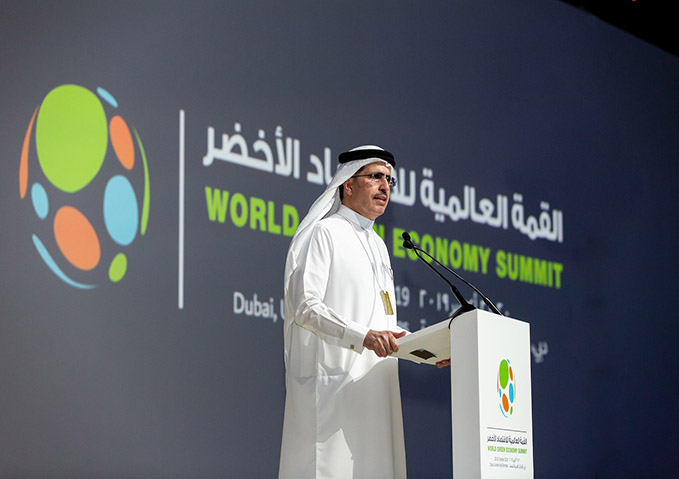
The World Green Economy Summit (WGES), organised by Dubai Electricity and Water Authority (DEWA) and the World Green Economy Organisation (WGEO) in collaboration with the Dubai Supreme Council of Energy (DSCE) and the UN Development Programme (UNDP), is held under the patronage of HH Sheikh Mohammed bin Rashid Al Maktoum, Vice President and Prime Minister of the UAE and Ruler of Dubai. WGES is an important global platform that enhances partnerships among key decision makers, and collaboration between regional and international organisations in the public and private sectors, for a shift towards a green economy. The WGES is a strategic platform that supports international cooperation in countering global challenges, enhancing sustainable development and investing in a green economy.
Since its inception in 2014, the summit has made great progress and many achievements, notably due to increased cooperation between decision makers from the public and private sectors. Each year, WGES wraps up by issuing Dubai Declaration, which includes the participants’ recommendations, the summit conclusions as well as its milestones and activities.
The 7th WGES will be held on 6 and 7 October 2021 at the Expo 2020 Dubai, held under the theme’ Connecting Minds, Creating the Future.’ This WGES is expected to have a broader scale as it is held in conjunction with the Expo 2020 Dubai. This enhances the summit’s success in consolidating Dubai’s position as a global capital for a green economy.
“The objectives of WGES align with the directives of His Highness Sheikh Mohammed bin Rashid Al Maktoum to balance between economic growth and environmental sustainability. The summit also supports the UAE’s efforts to achieve the UN Sustainable Development Goals 2030, the Emirates Green Agenda 2030, and the Dubai Energy Strategy 2050. In the UAE, several key initiatives have accelerated the pace of a green economy. The UAE has launched several important initiatives to accelerate the engine of green economy transformation,” said HE Saeed Mohammed Al Tayer, Vice Chairman of the DSCE, and Chairman of WGES.
“Transformational projects such as building solar power plants, using eco-friendly EV cars, as well as building sustainable, low-carbon urban communities support the wise leadership strategy to achieve a sustainable future for vital sectors in the UAE. Dubai has made great strides in its sustainable development journey. It has launched pioneering projects in renewable and clean energy, including the Mohammed bin Rashid Al Maktoum Solar Park, the largest single-site solar park in the world based on the Independent Power Producer (IPP) model. It has a planned production capacity of 5,000 MW by 2030. This enhances the UAE and Dubai’s leadership as a successful model for sustainability worldwide,” added Al Tayer.
Milestones, achievements in the WGES
The 6th WGES
The 6th WGES in 2019 focused on three main pillars: sustainable development, international cooperation towards a green economy system and adoption of innovative green solutions. Presidents, global leaders and influencers attended the summit. It attracted around 4000 participants, experts and opinion leaders in various fields of the green economy and sustainable development, including executives, partners, financial institutions and representatives of global markets from 78 countries. 60 speakers spearheaded 14 seminars and discussion sessions.
The summit focused on aligning energy policy to the UN SDGs, highlighting the significant workload required to build a sustainable future. Participants exchanged views on successful sustainability strategies, systems and policies, and their potential for replication and scaling up. It also focused on the role of women in achieving a green economy through innovation, cooperation, transparency, environmental management and social solidarity which are soft skills, and particularly important in environmental sustainability and its development. This version of the summit explored the challenges and opportunities facing women in sustainability, highlighting various women working in this field, in sectors such as energy, water, finance and development.
Moreover, the summit tackled sustainability of the private sector, green banking and investment, and the challenges and solutions for the green economy and sustainable agriculture. It also demonstrated the country’s ability to support the shift towards a green economy. This is through hosting fruitful meetings that brought together global environmentalists, technicians, and business leaders to discuss how the public and private sectors can optimise innovation to accelerate the shift towards a green economy.
The summit witnessed the introduction of the Dubai Sustainable Finance Working Group that aligns the local finance sector’s key initiatives concerning the environment in the local and regional markets. It also highlighted the importance of international cooperation in addressing global challenges and promoting sustainable development worldwide. The establishment of the Regional Cooperation Centre (RCC) for Middle East and North Africa, as well as hosting of Regional Ministerial Conferences by the WGEO to enhance cooperation between the countries of the world is a testament of global efforts to march towards a sustainable future.
During the Dubai Declaration 2019, Al Tayer announced that DEWA and WGEO are jointly leading the establishment of the UN Global Compact Local Network after signing a memorandum of understanding (MoU).
The 5th WGES
The 5th WGES brought together more than 3,700 global experts, specialists, and opinion leaders to discuss key issues such as climate change and global warming. The summit was especially important, because it set the journey towards the adoption and signing of the agreement establishing the WGEO.
The summit focused on three main pillars including Green Capital, digital transformation, leadership and social engagement. It also discussed the latest smart technologies and digital innovations that accelerate the shift towards a green economy and sustainable development. This ensures the shift towards a green economy. The summit identified paradigms and mechanisms for ideal public-private partnerships by developing legislation and regulations that encourage investment opportunities in energy, water and infrastructure projects and improve the quality of their services.
Participants highlighted the need for effective leadership in the public and private sectors to accelerate the transition to a green economy. This could be achieved by introducing progressive policies and incentives, influencing individual behaviour and consumption patterns, or raising environmental awareness. They also agreed that sustainable development must be inclusive, as it requires the total commitment of public and private sector leaders.
During the summit, Dubai has also launched a community awareness campaign for electric vehicles titled E-Sayyara, the first of its kind in the region. E-Sayyara supports the Dubai Green Mobility Strategy 2030. The summit also witnessed launching the first World Green Economy Report 2018, ‘Inspiring Innovations in Business, Finance and Policy,’ in collaboration with the University of Cambridge and the UNDP. It highlighted the need to adopt more depth and diversity in our approach to building a real green economy and moving the global sustainability agenda forwards.
Furthermore, the summit announced working on the Green Gate Initiatives, to encompass all the green programmes that will streamline the sustainable development journey. The first Preparatory Conference took place at this fifth Summit, attended by high-profile representatives from at least 60 countries. It set its mark to establish WGEO as a fully independent international organisation.
The World Green Economy Organisation
HH Sheikh Mohammed Bin Rashid Al Maktoum launched the World Green Economy Organisation in collaboration with the United Nations Development Program (UNDP) in October 2016 during the World Green Economy Summit in Dubai, to enhance the transition to a green economy and the dissemination of green economy projects at a global level, as well as support countries and organisations seeking to achieve their strategies and green plans. The World Green Economy Organisation and the UAE Ministry of Climate Change and Environment (MOCCAE) will host the ‘MENA Climate Week 2022’, in collaboration with the UN Development Programme (UNDP), the UN Environment Programme (UNEP), UN Climate Change, United Nations Framework Convention on Climate Change (UNFCCC), and the World Bank Group. The UAE will be hosting this first of its kind event in the Middle East and North Africa from 2 to March 3, 2022, on the sidelines of Expo 2020 Dubai. The event will highlight the urgency of addressing climate change and current global development challenges.
The MENA Climate Week will convene leaders from the government, private sector, and civil society to discuss the serious threat of climate change, and collaborate on swift, bold actions to address this challenge. The event offers a wealth of opportunities for collaboration and showcase ground-breaking technologies that can help the region adapt to climate change.
Stakeholders have a unique opportunity to reflect and revise their country’s climate action plans to effectively address societal, environmental, and economic impacts. Participants will also be able to follow up on the discussions raised during the 26th Climate Change Conference (COP26) in November 2021 in Glasgow, UK.
Youth Circles
The WGEO attaches great importance to youth and works to enhance the role of young entrepreneurs in recognition of their capabilities to find innovative and sustainable solutions that drive green growth and achieve sustainable development locally and globally. The summit regularly organises youth circles to engage them in sustainable development and a green economy before entering the job market. VIPs, officials, specialists, speakers, experts, local and global investors participate in the youth circles to encourage their sustainability efforts.
DP WORLD, UAE REGION TO EXPAND ENERGY EFFICIENCY COLLABORATION WITH ETIHAD ESCO
DP World, UAE Region, the leading smart trade enabler, and Etihad Energy Services Company (Etihad ESCO), a wholly-owned subsidiary of Dubai Electricity and Water Authority (DEWA), announced plans to expand their ongoing energy efficiency collaboration into renewable solar power installations across DP World’s assets in the UAE.
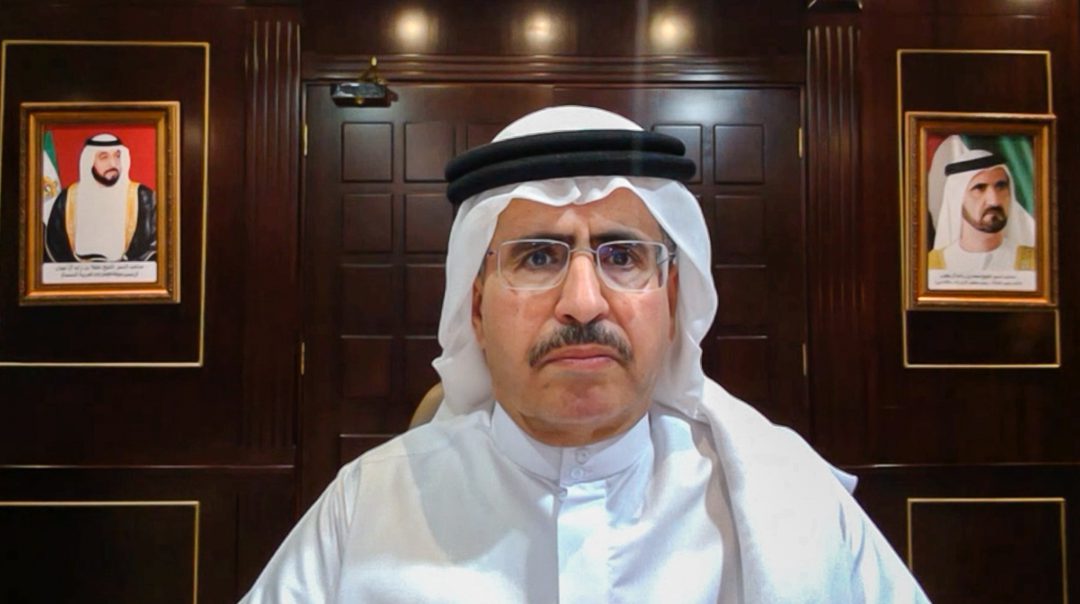
They signed a Memorandum of Understanding (MoU) during a virtual ceremony in the presence of H.E. Saeed Mohammed Al Tayer, MD & CEO of DEWA, and H.E. Sultan Ahmed Bin Sulayem, Group Chairman and CEO, DP World.
The MoU provides a framework to facilitate existing collaboration to cover DP World, UAE Region’s changing requirements in line with its overarching energy efficiency and sustainability programmes. These include Energy Performance Contracting Projects, Solar On-Grid Installations, and IT Solutions and Technologies including Command and Control Centres, IoT, Smart Automation and Network Operations.
H.E. Saeed Mohammed Al Tayer, MD & CEO of DEWA said: “We strive to achieve the vision of His Highness Sheikh Mohammed bin Rashid Al Maktoum, Vice President and Prime Minister of the UAE and Ruler of Dubai, to make Dubai a leading example of energy efficiency for the region and the world and make the city one of the most sustainable globally. Since 2015, Etihad ESCO and DP World have collaborated in projects that are actively reducing DP World’s carbon footprint and supporting sustainability goals. This MoU is a significant milestone for Etihad ESCO, building on our long partnership. We look forward to strengthening mutual cooperation and exchanging the best international experiences of energy efficiency to continue this sustainable development journey, for a greener future for all.”
H.E. Sultan Ahmed Bin Sulayem, Group Chairman and CEO, DP World said: “At DP World, we use innovative technologies to ensure that our practices comply with the Green Building programme of the Government of Dubai. Our efforts go beyond saving costs to strengthen our contribution to the Emirates Green Agenda 2030. DP World and Etihad Energy Services have a long record of collaboration. With this MoU, we open a new chapter in improving energy efficiencies across our assets in the UAE Region. DP World focuses on measuring and managing its direct environmental impact to contribute to the pressing challenge of climate change. Etihad Energy’s knowledge and expertise combined with DP World’s experience with energy efficiency will help achieve our common goals.”
In June 2019, Etihad ESCO had financed and completed the first and second phases of a major retrofit project for the staff accommodation areas of the Jebel Ali Free Zone (Jafza), where nearly 40,000 people live. The project achieved 32.6 per cent savings in energy consumption, surpassing initial targets, upon completion of one year of Measurement and Verification period. The environment has benefited tremendously since, with 17,000 tonnes of reductions in annual CO2 emissions, equivalent to removing 3,600 cars from roads for a year.
Etihad Energy Services is also currently working on retrofitting buildings in DP World’s Dubai Maritime City, in a project that is expected to save up to 20 per cent in energy consumption of the targeted facilities. Both parties look forward to enhancing their fruitful cooperation for the interest of all.
The Dubai Supreme Council of Energy approves work plan to implement laws regulating district cooling services in Dubai
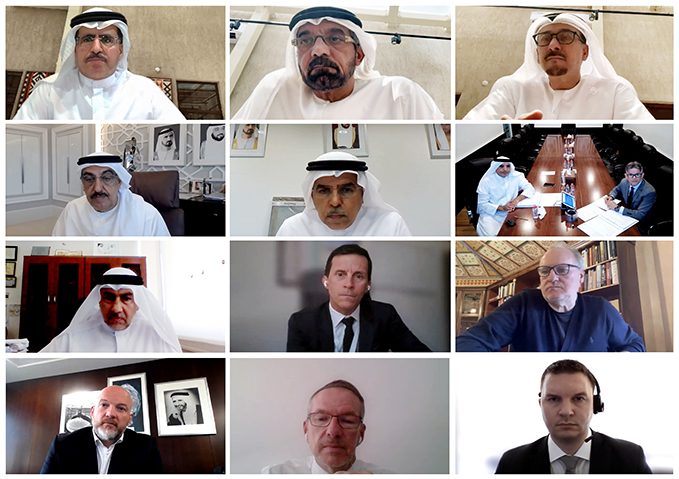
HH Sheikh Ahmed bin Saeed Al Maktoum, Chairman of the Dubai Supreme Council of Energy (DSCE), chaired the 65th meeting of the Council, which was held virtually. HE Saeed Mohammed Al Tayer, Vice Chairman of the Dubai Supreme Council of Energy, was present.
The meeting was also attended by HE Ahmed Buti Al Muhairbi, Secretary-General of the Dubai Supreme Council of Energy, along with board members HE Dawood Al Hajiri, Director General of Dubai Municipality; HE Abdulla bin Kalban, Managing Director of Emirates Global Aluminium (EGA); HE Saif Humaid Al Falasi, CEO of Emirates National Oil Company (ENOC); Frederick Chemin, General Manager of Dubai Petroleum; and Nasser Abu Shehab, CEO of the Strategy & Corporate Governance Sector at the Roads & Transport Authority (RTA).
The meeting discussed many topics, including Resolution No. (6) of 2021 issued by the Executive Council of Dubai to regulate district cooling services in the Emirate. It aims to develop a legislative framework for cooling services in Dubai. This increases their efficiency and the activities related to generating, distributing, and selling cooling capacity, as well as issuing permits and complaints management.
The meeting also discussed aligning the circular economy with the Demand Side Management Strategy in Dubai, creating the Circular Economy Committee at the DSCE. It also reviewed electricity and water savings in Dubai in 2020; enhancing the Demand Side Management Strategy to empower the circular economy in Dubai, particularly in the electricity, water, fuel, and waste sectors in line with the UAE Circular Economy Policy, which was announced recently.
“The meeting reviewed details of the action plan to implement the legislative framework and laws related to issuing and regulating district cooling services to improve operational performance and provide the best prices for customers. In the coming months, policies and laws aiming to increase district cooling in Dubai will be implemented based on best practices and technologies. This supports the vision of His Highness Sheikh Mohammed bin Rashid Al Maktoum, Vice President and Prime Minister of the UAE and Ruler of Dubai, to enhance sustainable development and increase the share of clean and renewable energy sources,” said Al Tayer.
“We also discussed the progress in implementing the Dubai Clean Energy Strategy to provide 75% of Dubai’s total power capacity from clean energy sources by 2050, and the Demand Side Management Strategy 2030, which aims to reduce electricity and water use by 30% by 2030. This achieves the directives of the wise leadership and supports our efforts to realise Dubai’s vision for the transition to a green economy,” added Al Tayer.
“In the past months, the Dubai Supreme Council of Energy and the Regulatory and Supervisory Bureau for Electricity and Water of Dubai studied the appropriate regulatory framework for the district cooling market in Dubai. District cooling companies and organisations also took part in the study to ensure best practices that increase the efficiency of district cooling and make it the best choice for customers while providing competitive prices to them, taking into consideration the development of Dubai’s infrastructure,” said Al Muhairbi.
Under the patronage and presence of Ahmed bin Saeed Al Maktoum Dubai inaugurates Green Hydrogen project at Mohammed bin Rashid Al Maktoum Solar Park
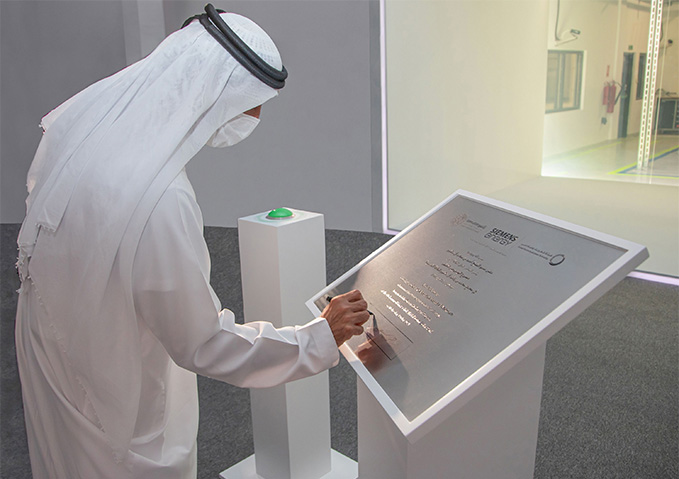
First-of-its-kind project in the MENA region was developed in collaboration with DEWA, Expo 2020 Dubai and Siemens Energy
His Highness Sheikh Ahmed bin Saeed Al Maktoum, Chairman of the Dubai Supreme Council of Energy and Chairman of the Expo 2020 Dubai Higher Committee, has inaugurated the Green Hydrogen project at the Mohammed bin Rashid Al Maktoum Solar Park in Dubai, marking a new achievement for the emirate as a leader in renewable energy.
Commenting on the occasion, His Highness Sheikh Ahmed said: “The launch of pioneering initiatives in the fields of development is driven by the vision of His Highness Sheikh Mohammed bin Rashid Al Maktoum, Vice President and Prime Minister of the UAE and Ruler of Dubai, which seeks to strengthen the UAE’s leadership across various fields. These initiatives seek to ensure people’s happiness and wellbeing and provide solutions to challenges that may hinder our development journey.”
Sheikh Zayed bin Sultan bin Khalifa Al Nahyan, Chairman of His Highness Sheikh Sultan Bin Khalifa Al Nahyan Humanitarian & Scientific Foundation; His Excellency Dr. Sultan bin Ahmad Sultan Al Jaber, Minister of Industry and Advanced Technology and UAE Special Envoy for Climate Change; His Excellency Suhail bin Mohammed Faraj Faris Al Mazrouei, Minister of Energy and Infrastructure; His Excellency Dr Abdullah Belhaif Al Nuaimi, Minister of Climate Change and Environment; Her Excellency Reem bint Ibrahim Al Hashemy, Minister of State for International Cooperation, and Director General Expo 2020 Dubai; His Excellency Saeed Mohammed Al Tayer, MD & CEO of Dubai Electricity and Water Authority (DEWA); Dr. Christian Bruch, President and CEO of Siemens Energy, and officials from the public and private sectors attended the inauguration event.
The project, implemented in collaboration with DEWA, Expo 2020 Dubai and Siemens Energy, is the first solar-driven green hydrogen producing facility in the Middle East and North Africa (MENA) region.
In his keynote speech, HE Saeed Mohammed Al Tayer said: “This pioneering project is part of our efforts to realise the vision of His Highness Sheikh Khalifa bin Zayed Al Nahyan, President of the UAE; His Highness Sheikh Mohammed bin Rashid Al Maktoum, Vice President and Prime Minister of the UAE and Ruler of Dubai; and His Highness Sheikh Mohamed bin Zayed Al Nahyan, Crown Prince of Abu Dhabi and Deputy Supreme Commander of the UAE Armed Forces, which aims to promote sustainability, innovation and shift towards a sustainable green economy.”
Al Tayer said that 2021 has witnessed important developments in the hydrogen sector. His Highness Sheikh Mohammed bin Rashid Al Maktoum recently approved a UAE system for hydrogen fuel-powered vehicles, which aims to develop the Green Hydrogen economy in the UAE, open local markets to hydrogen-powered vehicles and encourage an increase in environment-friendly vehicles. The system is the cornerstone for encouraging the use and licensing of vehicles, facilities and equipment related to hydrogen fuel and will contribute to achieving sustainable growth that balances the environmental, economic and social aspects. This project to produce hydrogen using solar power also supports the Dubai Clean Energy Strategy 2050, to provide 75% of Dubai’s total power capacity from clean energy sources by 2050 as well as the Dubai Green Mobility 2030 initiative, which aims to stimulate the use of sustainable transport.
“In Dubai, we have a clear direction for the energy sector. It includes expanding the use of clean energy and employing digital transformation, smart grids, the tools of the Fourth Industrial Revolution and disruptive technologies, for their impact on the energy and water sectors, Al Tayer added.
Al Tayer explained that with this pilot plant, DEWA aims to demonstrate the production of green hydrogen from solar power, storage and re-electrification. This is a system that allows for buffering renewable energy production, both for fast response applications, as well as for long-term storage. The plant has been built to accommodate future applications and test platforms for the different uses of hydrogen, including potential mobility and industrial uses. DEWA has already explored and developed a pilot project for green mobility using hydrogen that can be executed in the near future, in addition to a number of studies, business strategies and a potential roadmap for hydrogen usage. DEWA is building expertise, experience and capabilities to contribute in shaping the clean hydrogen future of the UAE.
Al Tayer thanked DEWA’s partners: Expo 2020 Dubai and Siemens Energy, commending their efforts in implementing the project to the highest standards of quality, safety and efficiency.
“While we are proud of DEWA’s achievements amid the challenges the world is facing due to the pandemic. We will work to innovate unique experiences that enhance the happiness of all stakeholders and contribute to making Dubai the happiest and smartest city in the world. We will also work to make this year, which marks the Golden Jubilee of the UAE, the starting point for the UAE towards more progress, growth and prosperity. We will work to proactively innovate solutions for the challenges of the next 50 years, in order to achieve the vision of our wise leadership and make the UAE the world’s leading nation by its Centennial in 2071,” concluded Al Tayer.
HE Dr. Sultan bin Ahmad Sultan Al Jaber said that being an early adopter of a hydrogen economy will be instrumental in achieving sustainable economic growth in the UAE. “The Green Hydrogen Project represents a major step forward in this direction and will greatly accelerate our production of renewable and clean energy sources and contribute to our on-going climate action efforts.”
Al Jaber added that increasing investments into research and development into the capture, storage and production of green hydrogen will greatly enhance national efforts to reduce the impact of climate change on a local, regional and international level.”
“The UAE’s sustainability efforts have benefitted greatly from the bold vision of the nation’s leadership which has always encouraged close collaboration between local and federal entities, and the public and private sector. The cabinet’s approval of the UAE’s hydrogen vehicle system, in March – a project proposed by the Ministry of Industry and Advanced Technology – exemplified how the government is promoting a culture of conservation by striving to strike a balance between economic growth and environmental protection,” he said.
The Minister of Industry and Advanced Technology and UAE Special Envoy for Climate Change congratulated the nation’s leadership, DEWA and its partners for launching this vital project, which once again highlights the UAE’s proactive efforts to dramatically reduce carbon emissions and boost sustainable development.
“The UAE is one of the leading countries globally in renewable energy,” said HE Suhail bin Mohammed Faraj Faris Al Mazrouei. “The country has adopted state-of-the-art innovations to drive sustainable development and protect the environment. These innovations are key to combat climate change and mitigate global warming,” he added, noting that the UAE is one of the first countries that ratified the Paris Agreement for climate change.
Al Mazrouei added that the UAE is a conventional hydrogen producer and possesses a vast experience in this field, making it one the leading countries in hydrogen. The UAE’s future plan is to utilise hydrogen to produce energy and provide reliable and affordable energy with a low carbon footprint. This will greatly support national economies and sustainable development in line with the country’s directives for the next 50 years.”
HE Dr Abdullah Belhaif Al Nuaimi said: “Advancing the energy transition is a strategic priority for the UAE in line with its commitment to developing the green economy and tackling climate change. Innovative green hydrogen solutions are a key driver of the diversification of energy sources and increasing reliance on clean power.”
“According to the International Energy Agency (IEA), the demand for hydrogen as a power source has grown threefold in the past few decades, and its global production is estimated at 70 million metric tonnes annually. As a result, the costs of producing hydrogen are projected to fall by 64 percent by 2040. DEWA’s inauguration of the Green Hydrogen project represents a momentous milestone in positioning the UAE on the global map of hydrogen markets. The project will reinforce the country’s efforts to protect the environment, combat climate change and achieve carbon neutrality,” added Al Nuaimi.
HE Reem bint Ibrahim Al Hashemy said: “The Green Hydrogen Project is leading by example, showing how technology and collaboration can help build a cleaner, safer and healthier future for everyone. It epitomises the shared desire of Expo 2020 Dubai, DEWA, our Official Sustainable Energy Partner and Siemens Energy to develop a global culture of innovation and deploy life-changing ideas and technologies around sustainability.”
“Expo 2020 congratulates all those involved, and believes this innovative project will inspire many more creative solutions that tackle some of the greatest challenges facing our planet. In less than five months, we will celebrate these ground-breaking collaborations, showcasing the UAE’s commitment to the Sustainable Development Goals and creating a meaningful legacy that will have a positive impact beyond the site and the six months of Expo,” added Al Hashemy.
Dr. Christian Bruch said: “This landmark Green Hydrogen Project highlights the importance of partnership in driving forward innovative new clean energy solutions and tackling the existential threat from global climate change. As the first industrial-scale facility to produce green hydrogen in the Middle East and North Africa, it is an important milestone of the energy transformation. We look forward to working together to decarbonize industries that are hard to abate with renewable energy alone.”
Electrolysis of water is the separation of water into oxygen and hydrogen using an electric current. A DC electrical power source is connected to two electrodes, which are placed in the water and separated by a Proton Exchange Membrane (PEM). The membrane allows the transfer of Hydrogen ions (Protons) produced by the electrochemical water splitting from the anode to the cathode. Protons will recombine with the electrons flowing through an external circuit to produce H2 molecules in gaseous form. Oxygen gas will appear at the anode through this electrochemical reaction.
This technology allows the storage of large amounts of energy for long periods. Hydrogen can be used for re-electrification through gas motors, gas turbines and fuel cells. It can also be used as a feedstock for the chemical industry (e.g., ammonia, syn-fuels, green-chemicals, etc.), as fuel for transportation, a reducing agent for the steel industry, to produce heat for industrial processes, or as gas for residential heating and cooking purposes, and also as energy for export.
His Excellency Saeed Mohammed Al Tayer holds a press conference about the Green Hydrogen project and DEWA’s latest achievements
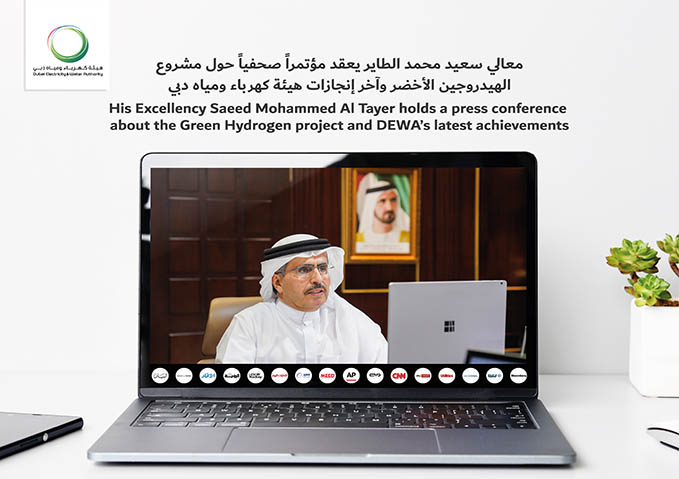
His Excellency Saeed Mohammed Al Tayer, MD and CEO of Dubai Electricity and Water Authority (DEWA) held a press conference about the Green Hydrogen project, which will be inaugurated tomorrow at the Mohammed bin Rashid Al Maktoum Solar Park by HH Sheikh Ahmed bin Saeed Al Maktoum, Chairman of the Dubai Supreme Council of Energy.
Al Tayer said that the project, which is the first of its kind in the Middle East and North Africa to produce green hydrogen using solar energy, reflects the vision of the wise leadership in promoting creativity and innovation, green economy and sustainable development. He noted that DEWA’s approach is based on scientific foundations and pilot projects, including the green hydrogen pilot project, which will build national capabilities and competencies, and will promote the development of green hydrogen projects in the UAE. This will be in line with the model DEWA adopted in the projects of the Mohammed bin Rashid Al Maktoum Solar Park, in which DEWA started its first phase with a pilot project with a capacity of 13 megawatts (MW). The total production capacity of the solar park’s operational phases is currently 1013MW. The projects currently under construction have a total capacity of 1,850MW, with future phases to reach 5,000MW by 2030.
“We have a clear approach for the energy sector in line witht the Dubai Clean Energy Strategy 2050 to provide 75% of Dubai’s total power capacity from clean energy sources by 2050. We are using the latest Fourth Industrial Revolution technologies such as the Internet of Things (IoT), Artificial Intelligence (AI), and Blockchain to enhance energy efficiency and increase the happiness of all stakeholders including customers. The share of clean energy capacity in Dubai’s energy mix has increased to around 9%. This exceeds the percentage set in the Dubai Clean Energy Strategy to provide 7% of Dubai’s total power capacity from clean energy sources by 2020,” said Al Tayer.
Al Tayer noted that these efforts have contributed to Dubai surpassing the target of reducing 16% of carbon emissions by 2021, by reducing 22% of carbon emissions in 2019.
Thanks to the directives of the wise leadership, we are continuing to expand the use of clean energy. We currently have promising solar projects at the Mohammed bin Rashid Al Maktoum Solar Park, in addition to the hydroelectric power station in Hatta, as well as other projects under study to use wind energy.”
During the conference, His Excellency Al Tayer highlighted DEWA’s key achievements and the latest developments in its pioneering initiatives. DEWA has attracted around AED 40 billion in investments through the Independent Power Producer (IPP) and Independent Water Producer (IWPP) model that strengthens the partnership between the public and private sectors.
Al Tayer said that next July, DEWA will commission the 300MW first stage of the fifth phase of the solar park which will have a capacity of 900 MW using photovoltaic solar panels. In September, DEWA will commission the world’s tallest Concentrated Solar Power (CSP) tower at 262.44 meters and a capacity of 100 megawatts, in addition to 200MW from parabolic trough. This is the largest single-site solar investment project of its kind in the world. It combines CSP and photovoltaic solar panels, with a capacity of 950 megawatts, with investments totalling AED 16 billion. This phase is characterized by the largest storage capacity in the world for 15 hours, which allows for energy production round the clock.
Al Tayer said that DEWA started the tunneling operations of the hydroelectric power station in Hatta. The progress in the 250MW project is 22.84%. The project uses the latest and safest drilling technologies to fit Hatta’s geological features while following the highest international environmental standards.
DEWA’s space programme, Space-D, aims to build DEWA’s capabilities and train Emirati professionals to use space technologies to enhance its electricity and water networks, and will take advantage of the Fourth Industrial Revolution technologies. The project features the launch of a main satellite equipped with the latest imaging and satellite communication technologies, which will take place in conjunction with Expo 2020 Dubai. The satellite cameras will monitor the performance and efficiency of the photovoltaic solar panels at the Mohammed bin Rashid Al Maktoum Solar Park using special cameras on the main satellite, which will also help study the impact of weather and climate change on energy infrastructure and supply. This enhances the reliability of electricity and sustainability of resources.
“To keep pace with the continuous growth of Dubai, and as part of our commitment to creating proactive solutions to the challenges of the next 50 years, we continuously work to implement various projects to meet the growing demand for electricity and water in the Emirate. DEWA’s total production capacity is currently 12,900MW of electricity and 490 million gallons of desalinated water per day. As part of its efforts to promote sustainability and energy efficiency, DEWA, through its subsidiary Ittihad ESCO, retrofitted 7,197 buildings, including 4,878 villas in Dubai. It installed photovoltaic solar panels on 5,442 buildings, including 4,878 villas, bringing the total number of buildings that have been retrofitted and solar panels installed on them to 7,763. This is part of the Shams Dubai initiative to install photovoltaic solar panels on rooftops in Dubai.
We are proud that DEWA has received the Global Award highest from the European Foundation for Quality Management (EFQM) for the second time. DEWA continues to maintain its position in the Platinum category, which includes leading companies and institutions that promote excellence. DEWA has also won the EFQM UN Sustainable Development Goals (SDGs) Challenge 2021. The award recognises DEWA’s efforts in sustainable development and its support of the UAE’s efforts to achieve the UN SDGs. DEWA’s Jebel Ali Power Generation & Water Production Complex has been confirmed by Guinness World Records as the largest single-site natural gas power generation facility in the world with an electricity generation capacity of 9,547 MW, adding to DEWA’s record of global achievements,” concluded Al Tayer.
DEWA’s EV Green Charger initiative supports electric vehicle adoption in Dubai
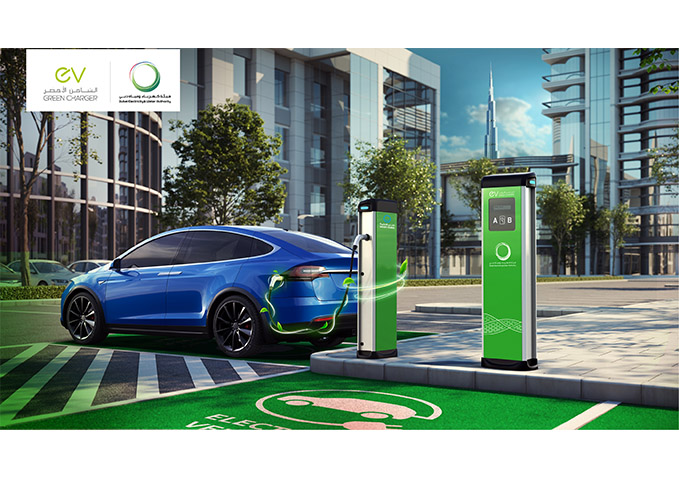
The EV Green Charger initiative, launched by Dubai Electricity and Water Authority (DEWA), provides a network of electric vehicle chargers across Dubai. This initiative supports Dubai efforts to provide innovative and sustainable transport solutions as part of the Dubai Green Mobility Strategy 2030, thus contributing towards carbon emission reduction in the transportation sector. DEWA’s continuous development of this initiative and the launch of its free-charging incentive have increased the number of registered electric vehicles in Dubai.
HE Saeed Mohammed Al Tayer, MD & CEO of DEWA, highlighted DEWA’s commitment to achieving the vision of HH Sheikh Mohammed bin Rashid Al Maktoum, Vice President and Prime Minister of the UAE and Ruler of Dubai, to make Dubai the smartest and happiest city in the world, and consolidate Dubai’s position as a global capital for green economy and sustainable development. DEWA harnesses the latest Fourth Industrial Revolution applications and disruptive technologies to achieve the Dubai Carbon Abatement Strategy, aiming to reduce 16% of carbon emissions by 2021. Dubai has surpassed the targets of this strategy two years ahead of its time by reducing 22% of carbon emissions in 2019.
DEWA is also supporting Dubai to achieve Directive Number 2 of 2020, to increase the number of electric and hybrid vehicles in the government fleet by providing charging solutions across the Emirate and procuring electric vehicles as part of its fleet. Till the end of February 2021, Dubai saw the number of registered electric vehicles within the Emirate increase to 2,473 electric vehicles and 6,016 hybrid vehicles. This brings a total of 8,489 green vehicles registered in Dubai. The number of electric vehicles in Dubai’s government organisations was 258 vehicles, while the number of hybrids has reached 2,653 with 3,210 customers benefitting from the EV Green Charger initiative till 31 March 2021.
DEWA provides added-value to its smart services based on the latest world-class technologies. DEWA has developed the EV Green Charger initiative for the comfort of its customers and to raise awareness to sustainable mode of mobility.
Blockchain
DEWA has enabled its customers to obtain all transactions including EV Green Charger registration, charging, billing and settlement on a trusted blockchain ecosystem. DEWA collaborates with other organisations to establish a unified national EV charging blockchain network that connects all public and private partners to enable access to information via a unified highly-secure network.
Charging vehicles through the smart app
EV customers registered in the EV Green Charger initiative can charge their electric vehicles using DEWA’s smart app by scanning a QR code at DEWA’s charging stations, for a card-less customer experience. They can also charge their vehicles using the EV Green Charger card.
Patent for universal charging system for electric vehicles
Researchers at DEWA’s Innovation Centre have registered a new patent for a universal smart charging system that consists of a single cable and a plug, whether they use AC or DC charging. The charging station’s design is also user-friendly and a one-stop point for all types of electric vehicles, as it automatically adapts the plug and the charging to the vehicle’s requirement.
Incentives to promote green mobility
To further support electric vehicle adoption, DEWA is providing free charging for non-commercial EV customers registered in the EV Green Charger Initiative until December 31st, 2021. This incentive is exclusively available at public charging stations and not home charging stations. Commercial registered customers such as organizations, governmental and semi-governmental organizations pay 29 fils for every kilowatt-hour. The RTA has also provided electric vehicles incentives, including free parking, reduced electric vehicle registration fees, and exemption from Salik tag fee.
EV charging stations
DEWA has successfully installed about 300 charging stations across Dubai, including within the region of Hatta. DEWA has installed three stations within Hatta which are located at the DEWA Customer Happiness Centre- Hatta, an ENOC Petrol station and at the Hatta Public Library. DEWA has also installed two charging stations at the offices of Expo Dubai with plans to install 15 more stations at the Opportunity, Sustainability and Mobility pavilions to cater for electric vehicle owners visiting Expo Dubai.
Customers can accurately locate DEWA charging stations through its website and smart app as well as through a variety of digital map platforms like Google Maps, Apple Maps, Foursquare, Factual, What3Words and 2GIS; ride-share platforms like Careem; car navigation maps such as TomTom and Here Maps; as well as dedicated charging station platforms like Plugshare, Electromaps, and Yellowmaps.
DEWA launched a programme, at the start of the COVID-19 pandemic, to regularly disinfect its EV Green Chargers located at petrol stations across Dubai, in collaboration with ENOC and ADNOC, as part of the National Disinfection Programme. It supported DEWA’s efforts to ensure the health and safety of all members of society by undertaking all precautionary measures against COVID-19.
7-star Benchmarking Proficiency Certificate
DEWA received the 7-star Benchmarking Proficiency Certificate, which is a part of the ‘We Learn’ initiative organised by Dubai Government Excellence. The certificate was for DEWA’s Green Charger 2.0 project to develop a new prototype for an electric car charger that provides a unique customer experience and applies international best practices. This charger uses Artificial Intelligence in its licence-plate-recognition system that identifies the electric vehicle details. Once recognised, the charger can identify the most suitable cable.
Dubai Supreme Council of Energy issues Directive No. 3 of 2021 on the regulation of LPG trading
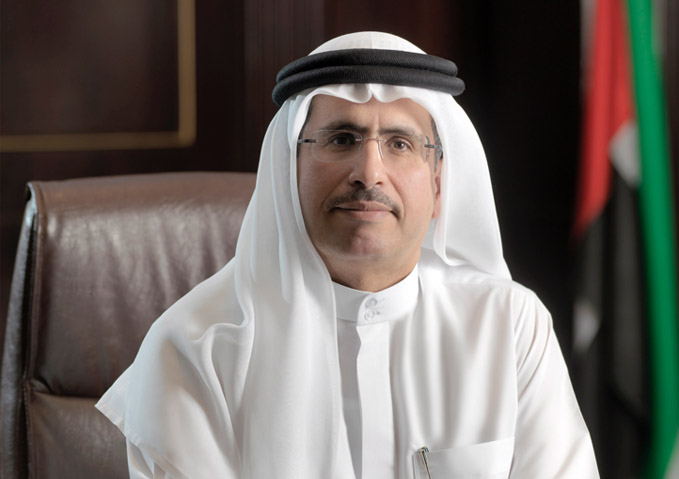
HH Sheikh Ahmed bin Saeed Al Maktoum, Chairman of Dubai Supreme Council of Energy, has issued Directive No. 3 of 2021 on the regulation of Liquefied Petroleum Gas (LPG) trading, in order to protect the environment and society, by implementing the highest standards of safety and security. This includes the transportation, storage, and distribution of LPG, whether through cylinders or transport tanks.
The Directive stipulates that it is prohibited to distribute LPG cylinders in Dubai unless they are filled in the approved LPG factories in the Emirate. This ensures compliance with all standards and regulations issued by local departments.
In its Directive, the DSCE stipulated the necessity of obtaining its authorisation to issue the permit to complete all approvals and requirements from government authorities in the Emirate, according to their respective requirements. The DSCE will coordinate with government authorities to conduct joint inspection campaigns to ensure that workers in this sector follow the Directive and apply the highest safety and security standards.
“Through this Directive, we outline the regulatory framework, strategies and regulations for LPG trading in Dubai, in accordance with the highest international standards in this area. We also work to regulate business practices and implement the highest international safety and security standards. We aim to ensure transportation, storage and distribution of LPG according to the approved criteria in the UAE. We thank all authorities involved in regulating this sector,” said HE Saeed Mohammed Al Tayer, Vice Chairman of the DSCE.
The DSCE is the sole entity in Dubai to carry out all tasks and powers according to Federal Law No. (14) of 2017 as well as the decisions issued thereby, in particular, to issue permits for trading in petroleum products in Dubai and to determine the petroleum materials that may be traded, the activities associated therewith, and the control and inspection of the facilities authorised to deal in this regard. This is based on the Federal Law No. (14) of 2017 regarding the regulation of petroleum products trading and Decree No. 8 of 2020 regarding the appointing of the competent entity in the Emirate of Dubai responsible for implementing Federal Law No. (14) of 2017 for petroleum products trading.
The Directive also states that issue or renewal of licenses to distribute LPG and its derivatives in Dubai requires written approval from the Dubai Supreme Council of Energy (DSCE). This confirms the distributor has a valid contract showing commitment to safety and security criteria, with the approved bottling plants in the Emirate,” said HE Ahmed Buti Al Muhairbi, Secretary-General of the DSCE and Chairman of the Dubai Regulatory Committee for Petroleum Products.
“We would like to thank the Dubai Regulatory Committee for Petroleum Products members for their efforts to protect individuals, society and organisations. This is by ensuring the effective application of policies related to petroleum products trading as well as inspections,” said Burhan Al Hashemi, Vice Chairman of the Dubai Regulatory Committee for Petroleum Products.